Dry Creek RM 1.8-3.8
Yakama Nation Fisheries has developed a restoration design for Dry Creek River Mile 1.8-3.8. This design, informed by a Geomorphic Assessment and Seepage Study, will guide instream and riparian wood enrichment, constructed margin jams, and removal of a spoil pile within the floodplain. These efforts aim to encourage natural wood accumulation, bank erosion for wood recruitment, and activation of floodplains, side channels, and alcove habitat to improve conditions for steelhead lifecycles.
Hemlock Dam Removal
Hemlock Dam was demolished and removed in the summer of 2009. The dam was an aging Forest Service facility on Trout Creek, in the Wind River watershed of southwest Washington. At 26-feet high and 183 feet across, the concrete dam formed a migration impediment to Lower Columbia River steelhead, and degraded water quality and habitat for the fish through the lower two miles of Trout Creek, a major tributary to Wind River.
UPDATED - 6/2/2025 - RFB - 3-Way Toppenish Creek Levee Removal Project Phase II
***UPDATE JUNE 2, 2025: REVISIONS TO THE BID SHEET IN THE BID PACKET HAVE BEEN MADE TO INCLUDE THE TERO FEE.
UPDATE 6/3/25 - RFB - Toppenish Creek (RM 40) at Pom Pom Road Habitat Restoration Project
***UPDATE JUNE 3, 2025: REVISIONS TO THE BI
Cle Elum Pool Raise: Speelyi Shoreline Protection Tree Harvest
The goal of this project is to remove trees in preparation for the Bureau of Reclamation’s construction of the Cle Elum Pool Raise: Speelyi Shoreline Protection Project. The Bureau of Reclamation who is leading and funding this Project owns Cle Elum Dam. Yakama Nation serves as a support role to work with communities along the shoreline of Cle Elum Lake to implement the Cle Elum Pool Raise Project. More information can be found online at https://www.usbr.gov/pn/programs/eis/cleelumraise/.
RFP: Chiwawa Area G - Phase 2 Habitat Restoration Project
*Updated 5/12/26
Yakama Nation Fisheries State Route 207 Project - Chelan County
Welcome to the Yakama Nation Fisheries (YNF) State Route 207 Project Summary Webpage.

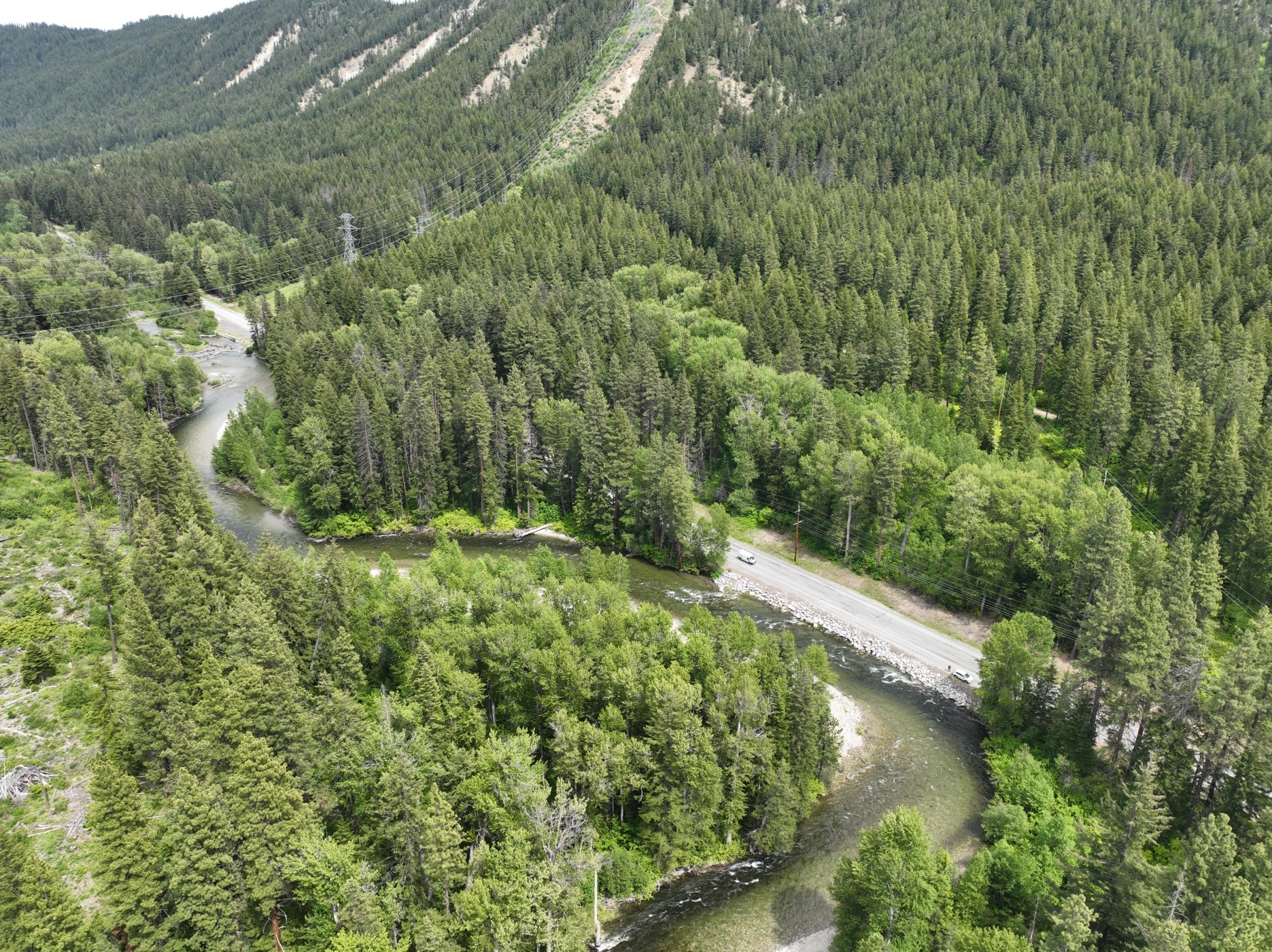
Upper Yakima Bull Trout Restoration and Monitoring Project
What We Know About Upper Yakima Bull Trout Populations: Isolated populations of bull trout living in the Upper Yakima Basin face significant challenges such as blocks to adult migration, degraded instream habitats, and invasive species. Sensitive to warming temperatures, they are also increasingly challenged by a changing climate. As a result, Yakima Basin bull trout populations currently consist of low numbers of adult spawners. Extreme seasonal dewatering presents an additional challenge, resulting in frequent stranding and desiccation of juveniles.
Mel Sampson Coho Facility
Background: During the pre-treaty era, 44,000 to 150,000 coho returned to the Yakima Subbasin annually. By the mid-1980s they were extinct. Habitat loss and overharvest are factors that led to the extinction. The fish’s cultural significance combined with U.S. v. Oregon objectives to restore salmon to upriver areas resulted in the release of hatchery fish (raised outside the subbasin) beginning in the mid-1980s.
Yakima Basin "Wood Fiesta"
The Yakima Basin "Wood Fiesta" Helicopter Aquatic Restoration project is a multi-watershed collaborative effort aimed at enhancing aquatic habitat in remote watersheds that have been greatly altered by past management practices. Large wood will be placed in stream and on the floodplain of seven Yakima River tributaries using a helicopter to improve habitat for native fish species. The projects are located in remote areas where terrain and or vegetation limits the use of ground-based equipment to place large wood. More information on these projects and associated temporar